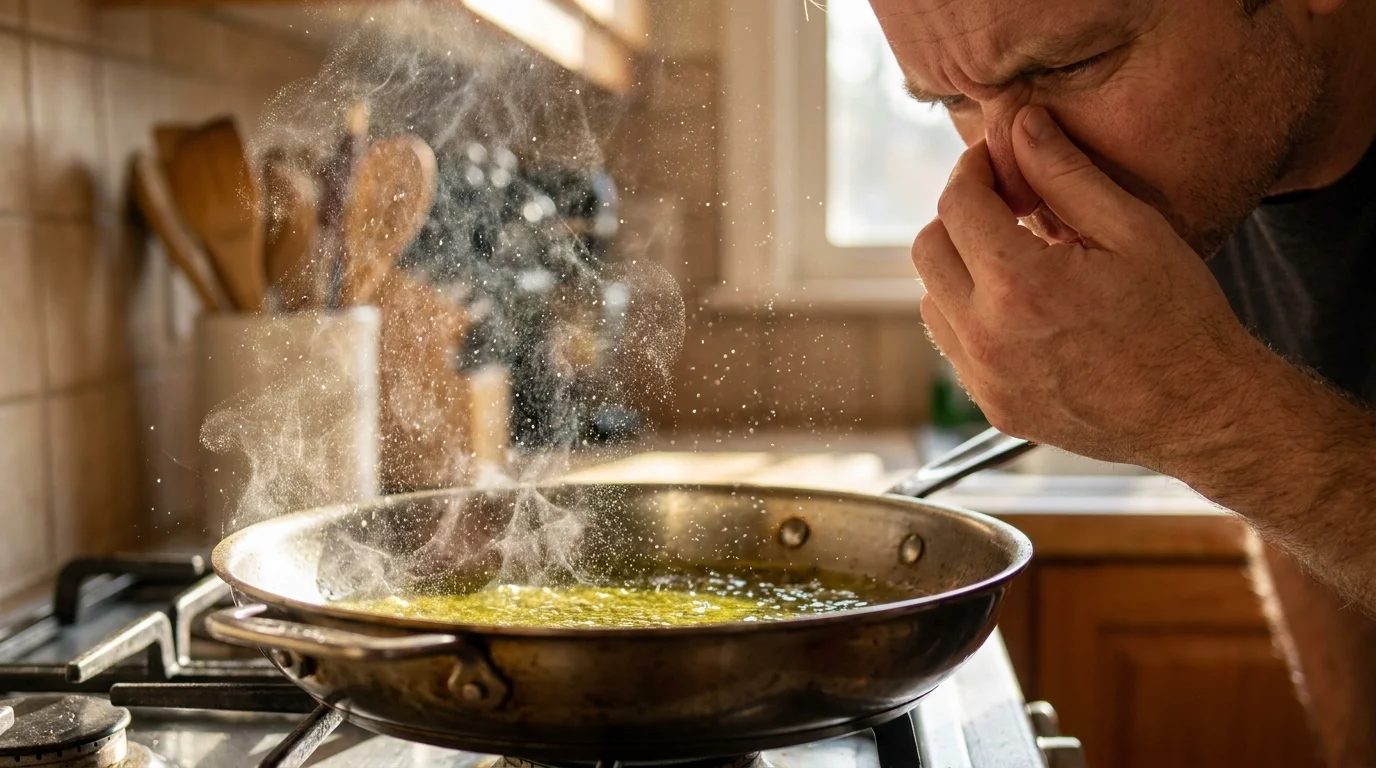
The cast iron skillet sits on the front burner, shimmering with a thin, glossy layer of oil you bought specifically because it promised purity. It is 12:45 PM on a Tuesday, and you are doing everything by the book: searing a fresh cut of protein in what the wellness world hailed as the ultimate high-smoke-point fat. There is no billowing wall of black soot, no screeching fire alarm, just the crisp, satisfying crackle of lunch coming together in minutes.
Yet twenty minutes after carrying your plate to the table, an unexpected weight settles over your afternoon. A strange, prickling heat works its way up the bridge of your nose, settling into a dull, throbbing pressure right behind your eyes. You stare at your screen, but the words seem to float behind a layer of frosted glass; your focus unspools, and your skull feels as though someone replaced your brain with wet wool.
You likely blame the meal itself, assuming a hidden food sensitivity, an obscure carbohydrate slump, or poor sleep from the night before. But the true culprit never touched your digestive tract. The real disruption occurred while you were standing over the stove, breathing in an invisible mist of sheared fatty acids that quietly hijacked your sinuses and scrambled your mental sharpness.
The Thermal Shearing Trap Behind the Smoke Point
For years, conventional kitchen wisdom taught you to look for one distinct signal: visible smoke. If the pan was not churning out grey plumes, you assumed your cooking fat was chemically stable. But avocado cooking oil behaves differently under prolonged direct thermal load, concealing its breakdown well before the human eye registers danger.
Avocado oil boasts a theoretical smoke point reaching upward of 500 degrees Fahrenheit, but this laboratory benchmark assumes absolute chemical homogeneity. In your home kitchen, a hot stainless or cast iron pan develops micro-hotspots that easily surpass 550 degrees Fahrenheit at the metal-to-fat interface. When unrefined or minimally filtered oils hit these micro-pockets, delicate triglycerides shear apart into free fatty acids, volatile hydroxy acids, and acrolein droplets. These microscopic airborne particles do not rise as heavy smoke; instead, they disperse as an invisible, highly irritant aerosol directly into your breathing zone.
When you inhale these aerosolized lipid fragments, they bypass the coarse hairs of your nostrils and deposit directly onto the ultra-sensitive mucosal lining of your upper respiratory tract. Your nervous system treats this chemical bombardment as an acute invasion. Local mast cells dump histamine, triggering instant vascular swelling inside your sinuses that clamps your airways shut and sends dull pain radiating across your forehead.
- Pushing off armrests accelerates leg muscle loss and triggers wobbly standing balance
- Bottled green juices spark shaky afternoon energy crashes and trigger ravenous snack cravings
- Outer palm pressing releases rigid neck stiffness and soothes burning shoulder knots
- Glossy tablet screens trigger sharp afternoon eyelid twitches by exhausting focal depth
- Flipping cotton pillows resets trapped facial heat and calms racing bedtime pulses
That sudden mental fog is not in your imagination; it is an immediate neuro-vascular reflex. As cranial blood flow shunts to manage upper airway inflammation and your nasal passages narrow, oxygen delivery becomes subtly laboured. Breathing through what feels like a dry kitchen sponge triggers instant lethargy, leaving you drained before you even finish your lunch.
The Field Observation from Dr. Julian Vance
Dr. Julian Vance, a 46-year-old culinary biochemist and indoor residential air-quality researcher based in Portland, Oregon, spent two years tracking unexpected cognitive dips among remote workers who cooked scratch meals at home. Vance noticed a consistent spike in complaints of midday sinus headaches and brain fog among clients who prided themselves on using unrefined, cold-pressed avocado oil for high-heat searing.
“People assume that because an oil originates from a gentle, nourishing fruit, its vapor will remain benign when subjected to blistering metal,” Vance noted during a home air-monitoring trial. When his team placed sub-micron particle sensors two feet above active stovetops, they discovered that unrefined avocado oil released heavy concentrations of volatile organic compounds and sub-micron lipid droplets at temperatures as low as 395 degrees Fahrenheit. Home cooks were leaning directly over the pan to baste or flip, inhaling thousands of irritated droplets with every breath.
The Three Hidden Vulnerability Zones in Your Kitchen
Not every kitchen interaction with avocado oil triggers this inflammatory crash. The reaction hinges entirely on three specific variables in your daily cooking environment.
1. The Cold-Pressed vs. Naturally Refined Divide
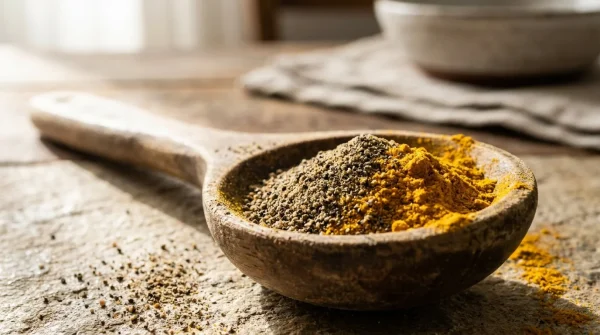
Extra-virgin or unrefined avocado oil retains chlorophyll, micro-pulp sediment, and plant waxes. These compounds give the oil its rich emerald hue, but they also degrade at dramatically lower temperatures than pure monounsaturated fats. If your bottle is dark green and smells fruity, searing with it turns those delicate plant residues into caustic airborne irritants within seconds.
2. High-Mass Pan Hotspots
Dense cookware like cast iron and carbon steel stores tremendous thermal energy. While the surface temperature of your pan might read 400 degrees Fahrenheit on an infrared thermometer, the direct contact points right above the gas flame or induction coil can easily run 150 degrees hotter. This thermal shearing occurs silently, vaporizing small volumes of fat without filling your kitchen with smoke.
3. The Recirculating Range Hood Illusion
Most residential apartments and modern suburban homes utilize recirculating microwave vents rather than true external exhaust ducts. These systems pass air through a basic metal mesh that catches large grease spatters, but allows volatile airborne lipid droplets to blow directly back into your face at eye level, saturating your living space for hours.
The Low-Vapor Searing Reset: Practical Countermeasures
You do not need to discard your pantry staples or abandon the rich flavor of home cooking. You simply need to adjust the physical thermodynamics of how you apply heat to delicate lipids. Follow these mindful shifts to keep your sinuses clear and your afternoon sharp:
- Switch to naturally refined avocado oil for the skillet: Reserve deeply green, cold-pressed avocado oils strictly for cold dressings or finishing drizzles after the heat is off. Refined versions remove residual particulate matter that burns early.
- Adopt the dry-pan preheat rule: Heat your stainless steel or cast iron dry until it reaches working temperature, then add the oil only thirty seconds before introducing the food. Allowing oil to sit empty in a hot pan superheats it past its breakdown point.
- Establish cross-ventilation before the sizzle: Turn your exhaust fan on two minutes before turning on the burner to establish air draw, and crack an adjacent window by two inches to create an immediate outdoor pressure vacuum.
- Step back during the initial moisture drop: When cold meat or moist vegetables hit hot oil, the water flash-steams, carrying micro-aerosolized oil droplets directly upward. Step two feet back for the first thirty seconds of searing.
By controlling the temperature at the contact layer, you halt sub-micron lipid fragmentation before it reaches your respiratory tract, preserving your physical comfort.
Reclaiming the Clear Space of Your Kitchen
Cooking at home should never exact a quiet physical tax on your afternoon productivity. When you learn to listen to the chemistry of the skillet rather than relying on crude cues like smoke alarms, the kitchen returns to what it was meant to be: a place of restorative nourishment.
Understanding how heat, air movement, and oil purity intersect gives you agency over your environment. You no longer have to push through mysterious brain fog or nurse throbbing temples after a clean, balanced lunch. Clear breathing and steady focus are simply a matter of respecting the threshold of the pan.
“A clean pan should produce aroma and flavor, not an invisible respiratory defense response.” — Dr. Julian Vance
| Key Point | Detail | Added Value for the Reader |
|---|---|---|
| Thermal Shearing | Lipid breakdown occurs prior to visible smoking. | Prevents you from relying solely on smoke alarms to gauge safety. |
| Aerosolized Acrolein | Irritating micro-droplets settle onto nasal membranes. | Explains the direct biochemical link between cooking and sinus throbbing. |
| Oil Refinement Level | Unrefined green oil degrades at lower thresholds. | Provides a clear pantry rule for when to sear versus when to drizzle. |
| Exhaust Technique | Pre-running ventilation clears volatile air pockets. | Stops indoor micro-particulate buildup that triggers afternoon brain fog. |
Frequently Asked Questions
Does this mean avocado oil is inherently toxic or unsafe?
No. Avocado oil is exceptionally rich in heart-healthy monounsaturated fats. The issue is purely physical: applying excessive contact heat to unrefined grades shears delicate plant residues into volatile airborne irritants.Why does my nose sting even if I don’t see any smoke?
Acrolein and lipid aerosols break free from the oil matrix well before the point of continuous visible smoke. These microscopic droplets are light enough to float at nose level while remaining completely invisible to the eye.Can an air purifier in the kitchen prevent this issue?
A purifier with a dense activated carbon filter can absorb some volatile organic compounds, but it cannot pull aerosols away from your face faster than natural cross-ventilation and a dedicated exhaust hood.Is refined avocado oil healthier for high heat than cold-pressed?
For cooking above 400 degrees Fahrenheit, yes. Naturally refined avocado oil removes the free fatty acids, chlorophyll, and micro-solids that burn early, offering far greater thermal stability and cleaner air.How long does the sinus irritation and brain fog typically last?
Once you step away from the kitchen and breathe fresh air, the acute mucosal inflammation usually subsides within 60 to 90 minutes as your vascular tissue recovers and nasal histamine levels balance out.