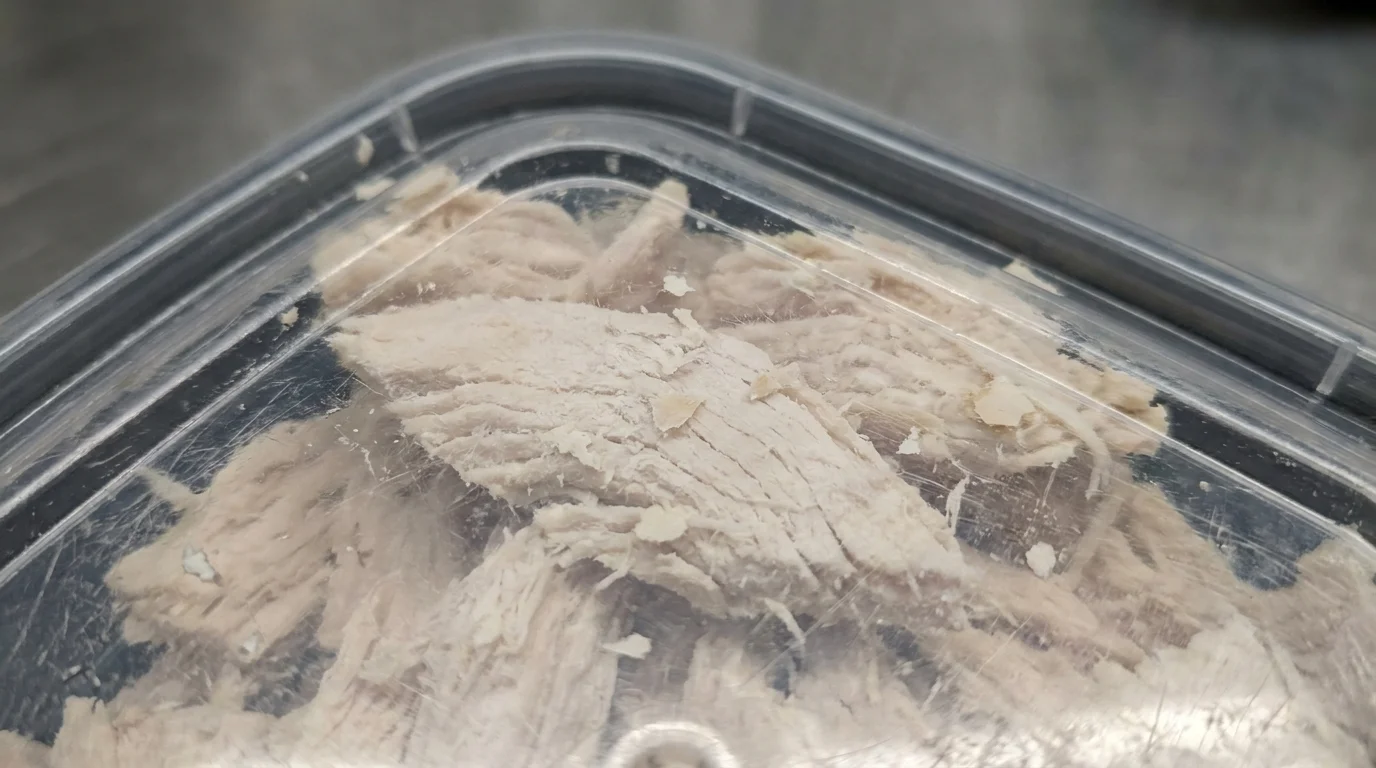
The low hum of the refrigerator at ten in the evening is the only sound in the kitchen. On the counter sits a neat row of identical plastic containers, stacked like miniature glass tombstones. Inside each, a pale, dry piece of boiled chicken breast rests next to a pile of cold, unseasoned broccoli. It looks clean, disciplined, and utterly devoid of life. You have followed the low-fat handbook to the letter, yet your morning brain fog feels like trying to breathe through a wet pillow.
You scrape every microscopic trace of oil, butter, and yolk from your daily routine, convinced that this extreme deficit is the only way to force your body to burn its own reserves. Instead, you find yourself staring at a scale that refuses to budge while your energy levels flatline by noon. The body does not understand your aesthetic goals; it only translates raw chemical signals from your plate. When you completely starve your system of dietary lipids, you are turning off the furnace.
There is a profound biological tragedy inside that dry piece of boiled chicken breast resting in its clear plastic box. It represents an outdated diet paradigm that treats the human body like a simple bank account rather than a complex chemical engine. By omitting every gram of healthy fat, you are unknowingly sending a systemic emergency signal straight to your endocrine system.
The Thyroid’s Closed-Loop Emergency Brake
Think of your thyroid gland as your body’s central thermostat, and dietary lipids as the pilot light that keeps the heating system operational. When dietary fat drops to near-zero levels, your brain registers an immediate environmental crisis. Without fats, your liver cannot effectively convert inactive thyroid hormone (T4) into the active form (T3) that dictates your daily calorie burn. Your resting energy expenditure drops to protect your vital organs from what it perceives as an impending winter famine.
This biological defense mechanism is known as adaptive thermogenesis. Instead of tapping into your midsection for fuel, your nervous system begins to ration its remaining resources, down-regulating your body temperature, slowing your digestion, and leaving you chronically cold and exhausted. The very weight you are trying to lose becomes locked away as survival insurance, guarded by a thyroid that has switched to low-power mode.
- Cauliflower pizza crusts trigger massive sugar crashes that ruin healthy eating
- Deep squatting for daily chores accelerates fat loss without breaking a sweat
- Tone matching at work actively destroys your physical immunity and deep sleep
- Smartwatch stand alerts quietly store painful tension directly in your jawline
- Cold plunge timers secretly burn out your daily motivation and focus pathways
To break this self-imposed starvation stall, you must pivot from restriction to communication. You must feed the body the precise lipid molecules it needs to feel safe enough to release its stored energy. Lipids are cellular messengers, not just calorie units, and introducing them strategically is the quickest way to convince your thyroid that the famine has ended.
The Six-Month Famine of Brenda Vance
Brenda Vance, a forty-two-year-old graphic designer from Portland, spent six months prepping ultra-lean meals of white fish, egg whites, and steamed greens. Despite maintaining a strict daily target of twelve hundred calories, she gained four pounds of stubborn fluid retention, felt constantly freezing in her own home, and noticed her hair thinning at the temples. It was only when her endocrinologist reintroduced pasture-raised egg yolks, avocados, and grass-fed butter into her daily meal prep that her body temperature normalized, her brain fog lifted, and she finally began shedding the weight her body had been desperately hoarding.
Tailoring Your Lipids: The Metabolic Realignment
For the Desk-Bound Professional
If you spend your day seated in front of a screen, your metabolic demands are steady rather than explosive. You do not need massive amounts of fast-acting fuel, but you do need sustained cognitive clarity to prevent afternoon decision fatigue. Your focus should be on raw, unheated monounsaturated fats that support cellular health without spiking insulin. Prioritize extra virgin olive oil and raw walnuts added directly to your cold prepped salads, which keep your brain sharp and your hormone production stable throughout the workday.
For the Early-Morning Athlete
Those who train intensely before dawn require a different lipid profile to support immediate muscle recovery and joint lubrication. When you lift weights or run on empty storage, your joints and connective tissues bear the brunt of the inflammation. Incorporate medium-chain triglycerides (MCTs) and grass-fed butter into your post-workout meals to provide clean, immediate fuel for your mitochondria while protecting your joints from chronic, low-grade wear and tear.
Rebuilding Your Prep with Smart Lipids
Reclaiming your metabolism does not mean splashing oil onto every meal without a plan. It requires a mindful, structured approach to food preparation that honors your biological needs. Start by replacing half of your ultra-lean proteins with whole-food fat sources that naturally preserve metabolic rate. Ditch the egg whites and start scrambling whole eggs to keep your thyroid nourished.
- The Golden Ratio: Aim for thirty percent of your daily calories to come from high-quality dietary fats, keeping your hormones functioning smoothly.
- The Smoke Point Rule: Never cook delicate oils like extra virgin olive or flaxseed; instead, drizzle them over your cooked meals just before sealing your containers.
- The Whole-Source Upgrade: Swap out your boneless, skinless chicken breasts for pasture-raised chicken thighs or wild-caught salmon twice a week to naturally balance your fatty acid profile.
To make this transition effortless, use this simple tactical guide during your next weekly kitchen prep session:
Tactical Lipid Toolkit:
• Daily Fat Target: 45 to 60 grams for optimal thyroid conversion.
• Cooking Mediums: Grass-fed ghee or avocado oil (high smoke points).
• Finishing Fats: Cold-pressed olive oil, raw pumpkin seeds, or avocado slices.
• Storage Tip: Add sliced avocado to your containers with a squeeze of fresh lime juice to prevent oxidation.
The Freedom of a Flexible Metabolism
When you stop viewing dietary fat as an enemy and start seeing it as a vital biological signal, your entire relationship with food shifts. You no longer have to endure dry, tasteless meals that leave you feeling hungry and hollow an hour later. Your body relaxes, realizing that food is abundant and survival is not threatened. A nourished metabolism burns hot, clean, and effortlessly, turning your daily meals from a chore into a source of genuine vitality and strength.
“Fat is not the enemy of definition; it is the chemical messenger that tells your cells it is safe to let go of stored survival weight.” – Dr. Elizabeth Sterling, Metabolic Research Institute
| Key Point | Detail | Added Value for the Reader |
|---|---|---|
| Thyroid Down-Regulation | Zero-fat diets stop T4 to T3 thyroid hormone conversion. | Prevents metabolic adaptation and chronic morning fatigue. |
| Lipid Messenger Quality | Healthy fats protect cellular membranes and balance cortisol. | Reduces stubborn midsection fluid retention and stress levels. |
| Satiety and Stability | Fats slow down digestion, preventing insulin spikes. | Eliminates afternoon sugar cravings and brain fog. |
Frequently Asked Questions
Will eating fat make me gain weight if my calories stay the same? No. When calorie levels are matched, adding healthy fats while balancing protein improves metabolic efficiency and thyroid output without causing fat storage.
What are the first signs that my metabolism is stalling from low fat? Look out for chronically cold hands and feet, dry skin, brittle hair, afternoon brain fog, and a complete halt in your weekly weight loss progress.
Can I just take a fish oil pill instead of adding fat to my meals? While fish oil helps with inflammation, a single capsule does not provide the volume of lipids required to fuel thyroid hormone synthesis and support metabolic health.
How much fat should I add to my daily meal prep? A safe baseline is to include roughly 10 to 15 grams of healthy fat per meal, which equates to about half an avocado or a tablespoon of olive oil.
Is it safe to cook with extra virgin olive oil for my prep? It is better to use high-smoke-point fats like avocado oil or ghee for cooking, saving your cold-pressed olive oil to drizzle over meals after they have cooled down.