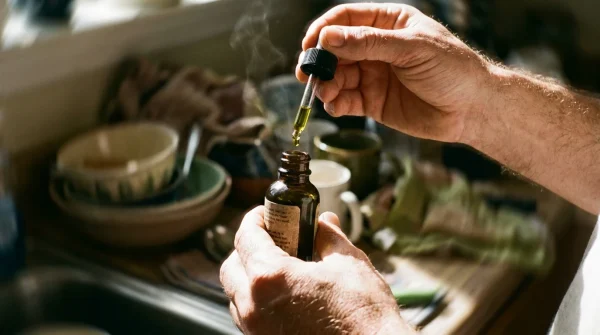
The steam curling from your ceramic mug carries an earthy, hay-like fragrance that feels almost medicinal in its purity. You sit on the edge of your mattress in low lamp-lit warmth, watching the dried shreds of passionflower settle at the bottom of the infuser. Within twenty minutes of swallowing that last warm sip, a heavy, velvet veil settles behind your eyes. Your shoulders drop away from your ears, your thoughts slow to a tranquil hum, and slipping under the covers feels like an effortless slide into oblivion.
Then the snap happens.
You are suddenly awake in the total blackness of 3:14 AM. There was no sound, no alarm, and no car door slamming out on the street. Yet your eyes are wide open, your sheets are kicked into a tangled knot around your shins, and your pulse is thumping hard against your collarbone like a startled bird trapped in an attic. You press a hand to your breastbone, feeling the quick flutter of an erratic rhythm, wondering why your clean, organic herbal nightcap feels like it just administered a covert surge of adrenaline.
The modern assumption is that plant remedies are soft-edged, forgiving, and incapable of jarring the nervous system. When sleep fractures halfway through the night, you blame late afternoon emails, room temperature, or hormonal shifts. But what you are experiencing is not a failure of your body to stay asleep. It is the physiological recoil of a botanical sedative vanishing from your blood before your natural rest cycles are ready to carry their own weight.
The Neurotransmitter Cliff: Why Botanical Sedation Snaps Back
To understand the sudden midnight flutter, you have to look at how passionflower operates within your neurochemistry. The herb relies heavily on plant compounds like chrysin and vitexin, which act as gentle keys in your brain’s primary calming locks: the gamma-aminobutyric acid, or GABA, receptors. When these botanicals bind to those sites, they quiet cellular excitability. They act like a thick acoustic blanket thrown over a blaring speaker, muffling daytime worry and lowering core body temperature.
The complication lies in clearance speed. Unlike synthetic compounds that linger or natural sleep cues that rise and fall along gradual hormonal curves, the active flavonoids in a hot water extraction of passionflower are processed and swept away by your liver with remarkable speed. For many people, their pharmacokinetic presence drops off a cliff roughly three to four hours after ingestion. Think of it like someone holding a heavy trapdoor shut against a pressurized room; if that person suddenly lets go and walks away, the door slams open with violent force.
- Angled desk monitors force awkward neck tilt triggering throbbing skull base tension
- Magnesium stearate capsules trap chalky undigested sediment provoking persistent lower stomach bloating
- Snug shapewear tanks squeeze your lower ribcage triggering sudden shallow breath tightness
- Cold wrist soaks halt rapid pulse spikes and steady shaking hands
- Frozen lime slices shock stubborn nervous system loops halting sudden panic surges in seconds
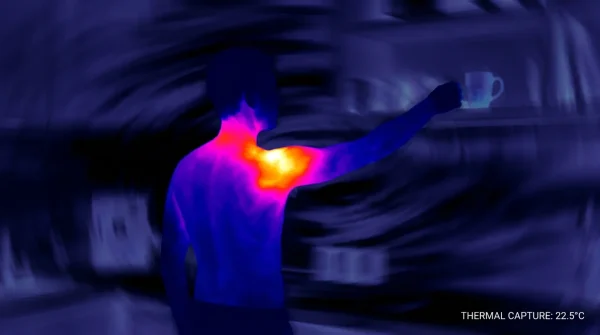
When passionflower clears your cellular receptors midway through the night, your brain experiences an abrupt neurotransmitter vacuum. The acoustic blanket is ripped off without warning. In response, your autonomic nervous system misinterprets the sudden drop in inhibitory signaling as an emergency, releasing a compensatory spike of noradrenaline and cortisol to stabilize you. You do not just stir awake; you jolt into consciousness with cold fingertips, a dry mouth, and an unmistakable cardiac flutter.
The Shared Secret from the Field
Elena Vance, a 44-year-old architectural draftsperson living in Denver, spent months trapped inside this precise mechanical rebound. Elena had abandoned melatonin gummies after they left her with thick morning brain fog, turning instead to loose-leaf passionflower steeped for ten minutes every evening at nine. By ten, she was peacefully asleep, but like clockwork, the digital glow on her nightstand would read 3:20 AM as she stared at the ceiling, feeling an uneasy tremor behind her ribs. Her physician could find no cardiovascular abnormalities, and her blood panels were pristine. It was only when she mapped the exact four-hour clearance curve of her evening brew with a holistic biochemist that the pattern emerged: her pristine bedtime habit was directly engineering her middle-of-the-night panic.
Mapping Your Metabolic Response: Three Common Profiles
Not every nervous system processes evening botanicals at the same speed. How your body handles this clearance curve depends heavily on liver metabolism, gastric emptying rates, and daily stress accumulation.
The Fast-Oxidizing Sleeper
If you tend to clear caffeine rapidly and find that pain relievers wear off ahead of schedule, your liver enzymes process herbal flavonoids in an accelerated window. For you, passionflower creates an initial heavy drowsiness that dissipates by 2:30 AM or 3:00 AM, leaving your neurochemistry completely unbuffered during the deepest phases of slow-wave sleep. You wake with a sudden rush of warmth and immediate mental clarity, feeling as if morning has arrived hours before dawn.
The Cortisol-Dominant Worker
If you spend your daylight hours juggling constant digital input and high-pressure deadlines, your baseline circulating adrenaline remains subtly elevated even when you feel relaxed. When passionflower artificially dampens that stress response at bedtime, your system stores up neurochemical tension. As soon as the herb clears, accumulated stress hormones flood the bloodstream, provoking not just an awake state, but a rapid, rhythmic palpitation that can take an hour to settle.
The Empty-Stomach Sipper
Drinking a concentrated herbal infusion on an empty stomach three hours after dinner speeds gastric transit. The active compounds enter and exit your circulation in a sharp spike rather than an even wave. Without fats or proteins in the digestive tract to slow absorption, the onset is rapid, but the withdrawal curve is exceptionally steep, making the 3 AM awakening far more jarring.
Calibrating the Landing: A Grounded Nighttime Protocol
Resolving this midnight flutter does not require throwing out your dried herbs or resigning yourself to restless nights. It simply requires teaching your nervous system to land on its own feet rather than dropping off a botanical ledge.
- Dilute the Steeping Concentration: Cut your passionflower dosage in half and pair it with slower-clearing, non-sedating herbs like skullcap or oat straw to soften the metabolic exit.
- Shift the Brewing Window: Drink your tea ninety minutes before your head hits the pillow rather than right at lights-out, allowing the initial peak to occur while you are still conscious and aware.
- Buffer Gastric Clearance: Consume a teaspoon of almond butter, raw pumpkin seeds, or warm coconut milk alongside your tea. The healthy fats slow gastric emptying, stretching flavonoid absorption across a broader, gentler timeline.
- Deploy the Extended Exhale: If you wake with a pounding chest, avoid sitting up immediately or checking the clock. Place one hand flat on your upper belly and double the length of your exhales to mechanically signal the vagus nerve to slow heart rate.
Treat this as a physical recalibration rather than a rigid rule. Give your system three to five days to adjust to lower botanical concentrations, observing whether the midnight awakenings soften from an adrenaline rush into a mild, easily ignored shift in sleep position.
Restoring the Rhythm You Already Own
True restorative sleep is not a state of enforced unconsciousness created by external agents. It is a biological tide that ebbs and flows according to light, temperature, and autonomic trust. When you rely on high-potency botanicals to knock your nervous system into compliance, you risk subverting the very self-regulating mechanisms that keep your heart steady and your mind calm while the world outside is dark.
By understanding why that quick chemical clearance leaves you stranded at 3 AM, you take the mystery out of the flutter. You stop wondering if your heart is failing or if your stress is unmanageable. With just a small adjustment in timing and dosage, you can turn your evening tea back into what it was always meant to be: a quiet suggestion to rest, rather than an unpayable chemical debt.
“When an evening remedy works by pushing your chemistry down, true restorative rest only returns when you learn to let the body coast to its own stop.”
| Key Point | Detail | Added Value for the Reader |
|---|---|---|
| Clearance Latency | Flavonoids leave GABA receptors abruptly within 3 to 4 hours. | Identifies the hidden biological mechanism behind exact 3:00 AM wake-ups. |
| Adrenergic Rebound | Brain releases compensatory noradrenaline to balance sudden drops in inhibition. | Reassures you that midnight chest flutters are metabolic, not cardiac damage. |
| Digestive Buffering | Liquid extractions absorb and metabolize much faster than whole-food sources. | Offers a simple pantry-based solution to stretch calming effects throughout the night. |
Frequently Asked Questions
Why does my heart beat so fast when I wake up from passionflower tea?
As the herb’s active compounds quickly leave your GABA receptors, your brain experiences an abrupt drop in calming signals. To keep your nervous system balanced, your body produces a small compensatory surge of adrenaline, which temporarily increases heart rate and makes your pulse feel much louder in a quiet room.Is the 3 AM chest flutter dangerous?
For most healthy adults, this flutter is a benign, temporary reaction to an autonomic rebound spike rather than a structural cardiac issue. However, if the sensation is accompanied by shortness of breath, radiating pain, or severe dizziness, you should consult a healthcare provider immediately.Should I stop drinking passionflower tea completely?
Not necessarily. Many people find success simply by halving the amount of dried herb they use, drinking it earlier in the evening, or pairing it with a small spoonful of nut butter to slow down digestion and prevent the sharp midnight drop.How long does it take for passionflower to leave your system?
The primary flavonoids generally hit their peak blood concentration within 60 to 90 minutes and are largely processed by the liver within three to five hours, which precisely matches the window between bedtime and that common middle-of-the-night jolt.Can I combine passionflower with other herbs to prevent this?
Yes. Blending small amounts of passionflower with herbs that support nervous system tone without heavy receptor binding—such as lemon balm, chamomile, or oat straw—creates a much smoother metabolic transition throughout your sleep cycle.