The basement kitchen of a regional hospital operates on a rhythm of quiet, industrial precision. At six in the morning, the air is thick with the scent of toasted sourdough and mild sanitizing wash, punctuated by the metallic clatter of stainless steel meal domes. You expect this environment to be the absolute gold standard of safety, a place where every variable is measured, tracked, and neutralized before it ever reaches a patient’s bedside table.
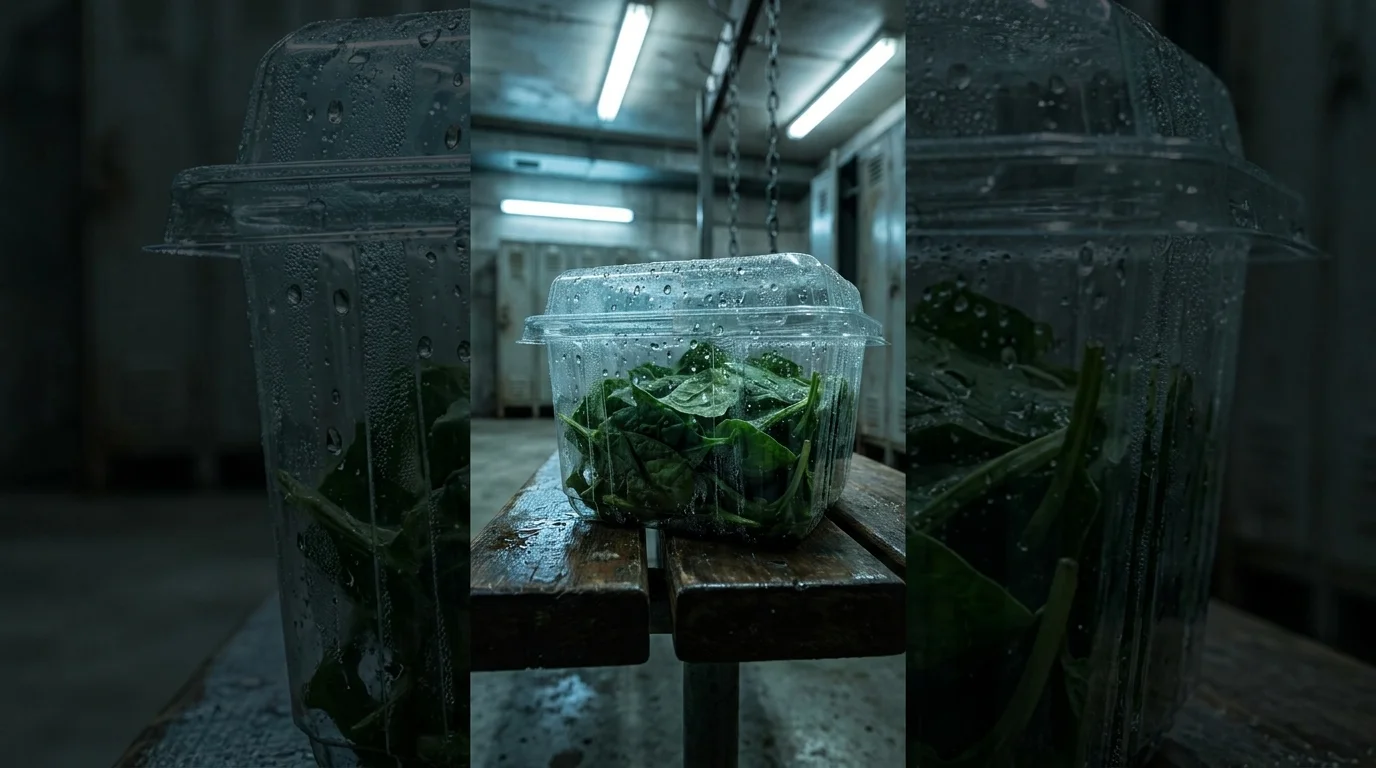
But a sudden, systemic shock can shatter that calm in minutes. When word of the massive Taylor Farms leafy green recall flashed across administrative screens, the response was immediate and physical. Dietitians didn’t just update spreadsheets; they physically ran to the walk-ins, hauling black garbage liners to discard dozens of cases of raw produce. The ultimate symbol of clinical nutrition had suddenly become a quiet vector, represented by nothing more than **wilted waterlogged spinach leaves** sealed inside a condensation-filled plastic clamshell box.
The Illusion of the Sterile Green
For decades, we have been conditioned to view pre-washed, bagged greens as a triumph of modern convenience and hygiene. The plastic clamshell represents safety, a physical barrier between the messy dirt of the farm and your clean kitchen counter. Yet, the massive scale of these recalls reveals a deep vulnerability in our centralized food system: when a single processing facility faces an issue, the ripple effect reaches the most fragile populations in our communities.
Hospitals have historically relied on these pre-packaged shortcuts because they reduce labor and promise consistent portions. But when major institutions panic over what was once considered a secure dietary staple, it forces a profound shift in perspective. We must look past the convenience of the plastic box and realize that **real nutrition requires active stewardship**, not just passive trust in an industrial supply chain.
A Quiet Crisis on the Oncology Ward
Dr. Aris Thorne, a forty-four-year-old clinical nutrition director in Ohio, recalls the precise moment his team had to pivot. “We had three hundred oncology trays prepped for lunch, each with a side salad meant to provide vital folate and antioxidants,” he shares. “Within twenty minutes of the recall notice, we had to re-evaluate every single plate. For an immune-compromised patient, a simple leaf of raw spinach isn’t just a healthy side dish; it represents an unacceptable risk.” Thorne’s team worked frantically to find immediate, cooked alternatives that would deliver the same micro-nutritional benefits without the microbial hazard.
- Artificial sweeteners spike cognitive decline fears as researchers link additives to memory shifts
- GLP-1 overdose admissions surge as patients accidentally double dose their weekly injections
- Bedroom thermostats set above sixty five degrees actively block your deepest restorative cycles
- Magnesium gummies dissolve before reaching your lower intestine where absorption actually occurs
- Standing desk leaning quietly misaligns your pelvis and locks your lower spine
Rebuilding the Tray: Patient-Specific Replacements
To navigate this sudden scarcity, clinical kitchens are abandoning raw, unprocessed leafy greens entirely, turning instead to specific, targeted food swaps that preserve patient dignity and nutritional status.
For vulnerable patients in the Oncology Ward, raw greens are replaced with **warm, steamed baby bok choy** drizzled with a touch of sesame oil. This swap maintains a high concentration of calcium and vitamins A and K while the heat process completely eliminates pathogens. The texture remains tender and easy to digest, which is crucial for patients undergoing active treatment.
In the Geriatric Wing, where swallowing difficulties often complicate meals, dietitians have swapped out raw salad mixes for a smooth, roasted root vegetable mash. By combining sweet potatoes, parsnips, and carrots, they mimic the rich mineral profile of leafy greens while delivering a warm, comforting texture that is inherently safer and much easier to consume.
For general recovery patients, kitchens are utilizing **lightly blanched Swiss chard** and steamed zucchini ribbons. This combination preserves the visual appeal of a vibrant green side dish while ensuring that every bite has been exposed to enough heat to neutralize potential contaminants, proving that we do not have to sacrifice nutrition for safety.
Tactical Kitchen Protocols for Home and Ward
You can apply these exact clinical pivots in your own kitchen to protect your family during widespread supply chain recalls. Transitioning away from raw, bagged greens doesn’t mean losing your daily dose of green nutrition.
- Embrace the Blanching Method: Submerge your greens in boiling water for exactly sixty seconds, then plunge them into ice water to preserve their bright color and vitamin content while killing surface bacteria.
- Pivot to Robust Roots: Swap out delicate, high-risk leaves for roasted beets, carrots, and parsnips, which have a protective outer peel that you can scrub and remove.
- Utilize Frozen Greens: Frozen spinach and kale are processed and blanched at the point of harvest, making them incredibly safe and nutrient-dense options for cooked dishes.
Finding Certainty in a Fragile System
The panic inside our regional health systems reminds us that true wellness cannot be outsourced to a distant factory line. When we rely entirely on triple-washed, plastic-wrapped convenience, we lose touch with the simple, ancestral cooking practices that kept our kitchens safe for generations. Steaming, blanching, and peeling are not outdated chores; they are active acts of care.
By embracing these mindful kitchen shifts, you regain control over your plate. You learn to see the beauty in a warm, cooked vegetable bowl, finding peace of mind in the steam rising from your stove rather than looking for security inside a **chilled plastic clamshell container**.
“True kitchen safety isn’t found in a factory wash cycle; it lives in the heat of your own stove and the mindfulness of your prep work.”
| Key Point | Detail | Added Value for the Reader |
|---|---|---|
| The Raw Green Risk | Pre-washed greens are vulnerable to widespread bacterial contamination due to centralized industrial processing. | Understanding that convenience packaging does not equal absolute safety. |
| The Steaming Pivot | Swapping raw salads for steamed greens like bok choy or Swiss chard eliminates pathogens while preserving vital nutrients. | Provides a simple, warm alternative that protects vulnerable immune systems. |
| The Root Crop Safe Haven | Root vegetables offer a peelable, robust alternative that minimizes foodborne illness risks. | Delivers grounded, earthy nutrition with zero worry about surface contaminants. |
Frequently Asked Questions
Is washing bagged greens at home enough to make them safe during a recall?
No, washing recalled greens at home will not guarantee safety, as bacteria can cling to microscopic tears in the leaves; it is best to discard them or choose cooked alternatives.What is the best alternative to spinach for a morning green smoothie?
Steamed and then frozen zucchini or frozen avocado chunks provide a creamy texture and excellent nutrients without the raw leaf risk.Why are hospitals particularly sensitive to leafy green recalls?
Hospital patients often have compromised immune systems, meaning a bacterial exposure that might cause mild symptoms in a healthy adult could be life-threatening for them.Does cooking completely neutralize the risks associated with recalled greens?
Thorough cooking to an internal temperature of 165 degrees Fahrenheit will kill harmful bacteria, but clinical protocols recommend discarding recalled items entirely to avoid cross-contamination in the kitchen.How can I get enough folate without eating raw salads?
You can easily meet your folate needs by eating cooked asparagus, brussels sprouts, broccoli, and cooked lentils, which are exceptionally nutrient-dense and safe.