The distinct snap of the plastic travel pack lid sounds innocent enough when you tug it open in a crowded coffee shop or behind the wheel of your car. Out slips a damp, textured cloth, carrying that signature synthetic-citrus fragrance that has become synonymous with responsible personal hygiene. You scrub your palms, wrap the sheet around each finger, and toss the damp fiber into the nearest bin, satisfied that you have wiped away the outside world.
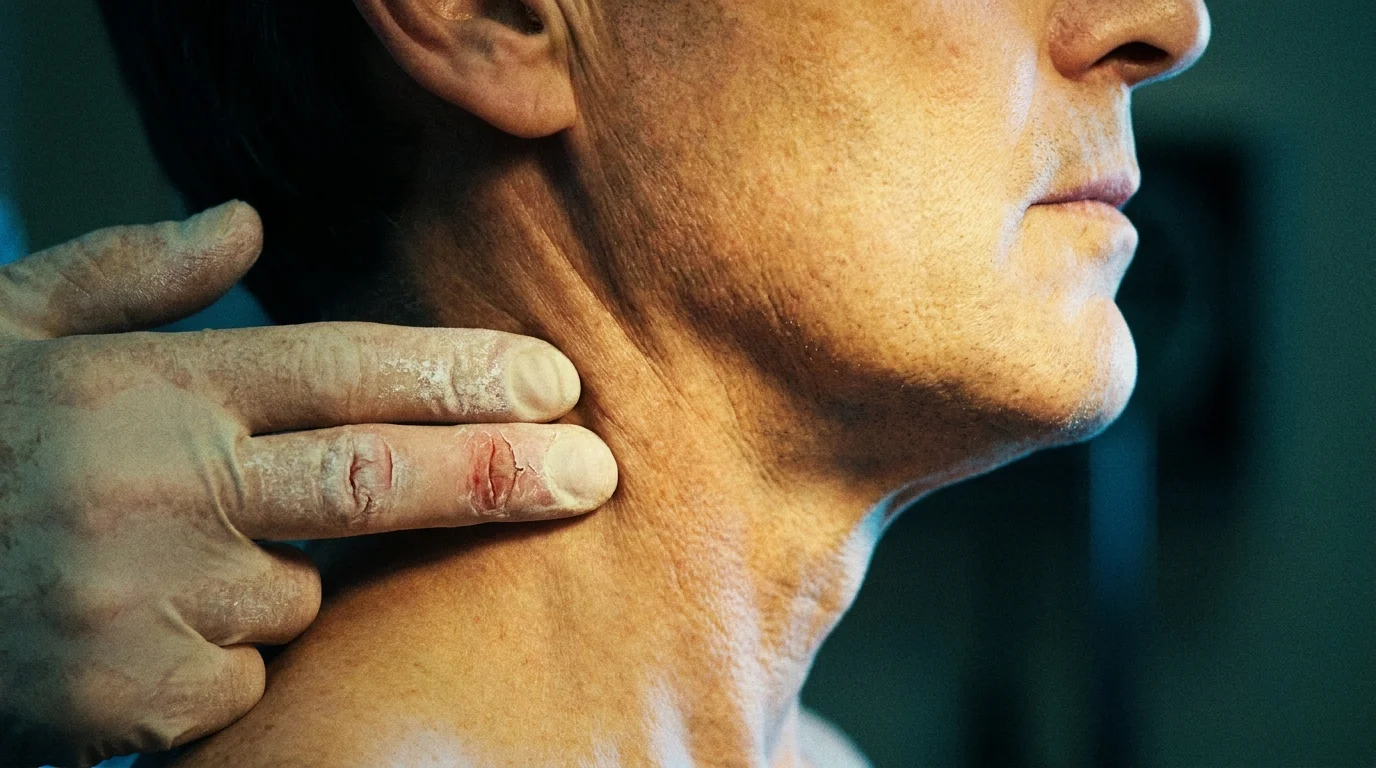
Look down at your hands under the mid-day sun. Cracked, raw skin between knuckles dusted with white chalky dryness has become your quiet daily companion. You likely dismissed it as winter air, a dry office HVAC system, or simple seasonal dehydration. You endure the sting when flexing your fingers, convinced that this parched texture is merely the small price paid for staying healthy in a germ-ridden environment.
Then the evening arrives, bringing with it an unexplainable, hollow ache across your cheekbones and behind the bridge of your nose. Your nasal passages feel raw, inflamed, and strangely swollen, as if you have spent three hours breathing through a wool blanket. You scrutinize the air quality index, change your furnace filters, and sip hot chamomile tea, never imagining that the chemical film resting on your fingers is orchestrating the entire mucosal flare-up.
The Scorched-Earth Paradox of Chemical Armor
For decades, conventional hygiene advice insisted that clean meant sterile, teaching us to treat the skin surface like a stainless-steel counter. Yet your skin is not an inert cutting board; it is an active, living meadow populated by billions of specialized commensal organisms. When you sweep an antibacterial wipe across your hands, the active compound—most commonly benzalkonium chloride—does not simply evaporate like standard grain alcohol.
Instead, this quaternary ammonium compound binds tenaciously to the epidermal matrix, leaving a persistent surfactant residue that lingers for hours. Decimating your defensive microflora with every casual swipe, this persistent film clears out the beneficial, acid-producing microbes that naturally block environmental irritants. Without this biological buffer, everyday household dust, common airborne mold spores, and inert pollen gain unfettered access to your primary mucosal highways.
Every time you absentmindedly scratch the tip of your nose, rub an itchy eyebrow, or rest your chin in your palm, that lingering surfactant transfers directly to your facial tissues. The chemical residue thins the protective mucus layer of your nasal lining, sparking low-grade micro-inflammation. Your sinuses swell defensively against the chemical assault, locking you into a loop of recurrent congestion and sinus pressure that mimics an endless cold.
- Spanx high-waisted shaping shorts trigger shallow breathing and sudden panic during desk marathons
- LifeStraw Home water pitchers expose raw scratchy throats by missing stubborn microscopic solvents
- Emergen-C vitamin packets derail kidney filtration rates when swallowed in single massive gulps
- Ice pack sternum presses force racing panicky heartbeats into calm rhythms within sixty seconds
- Textured titanium rings switch off racing boardroom panic through discreet sensory finger rolls
The Clinical Reality Behind the Sanitized Shield
Dr. Clara Vance, a 46-year-old clinical immunologist practicing in suburban Massachusetts, began noticing an unusual diagnostic pattern among her adult patients who presented with persistent, non-infectious sinus inflammation. Nearly all of them carried travel-sized canisters of antibacterial wet wipes in their daily commuter totes, diaper bags, and car door consoles, applying them five to eight times daily as an instinctual reflex. When Dr. Vance ran mucosal swab panels, she discovered that their skin and anterior nasal passages lacked the baseline bacterial diversity that normally keeps mucosal inflammation in check, essentially leaving their upper respiratory tracts defenseless against minor indoor irritants.
Calibrating Exposure Across Daily Lifestyles
The impact of continuous antimicrobial wipe use is rarely uniform; it alters your local biology based on your unique routine and physical environment.
For the Daily Commuter
Navigating subways, shared rides, and office turnstiles creates an instinctual urge to wipe down every surface and immediately swab your hands. However, trapping benzalkonium chloride residues on your fingers inside climate-controlled transit vehicles creates a chemical vapor loop. As you touch your steering wheel or transit card and then adjust your sunglasses, the volatile residues irritate sensitive nasal passages already dried out by direct dashboard airflow.
For the High-Alert Parent
Wiping down daycare toys, stroller handles, and toddler fingers several times an afternoon creates an invisible biological desert within the home. Stripping the shared family microbiome removes the natural inoculants that teach developing immune systems how to distinguish between benign dust and actual viral threats. The result is often a household trapped in a cycle of constant, non-productive runny noses, ear pressure, and nighttime mouth-breathing.
For the Remote Desk Professional
Keeping a canister of antibacterial wipes next to your monitor often leads to unconscious habitual cleaning between meetings. Wiping keypads, mice, and desk surfaces leaves an invisible film that transfers to your fingertips while typing. In a sealed room with static air, the combination of screen glare, shallow breathing, and continuous surfactant transfer creates localized facial vasodilation, resulting in midday sinus throbbing and heavy temples.
Reclaiming the Skin-Airway Axis: A Step-by-Step Reset
Breaking this cycle of microbial depletion does not mean surrendering to dirt or abandoning sensible hand cleanliness. It requires shifting from indiscriminate chemical destruction to mindful mechanical removal, allowing your skin’s native lipid mantle and bacterial ecosystem to rebuild their natural defenses.
- Ditch the persistent quaternary wipes: Retire wipes containing benzalkonium chloride from your daily personal carry, reserving them strictly for clinical or heavy-soil emergencies.
- Rely on mechanical friction: Wash your hands using traditional, unfragranced bar soaps or simple Castile liquid washes that rinse away cleanly with water rather than depositing a chemical residue.
- Adopt simple alcohol for spot travel: When running water is unavailable, choose simple 65% to 70% ethyl alcohol formulations without lingering synthetic antibacterial agents; alcohol evaporates completely within seconds, leaving your native flora intact.
- Replenish the lipid seal immediately: Lock in skin hydration within two minutes of washing by smoothing on a pea-sized amount of unrefined jojoba oil or pure squalane to repair the cracked knuckles where irritants settle.
The Everyday Tactical Toolkit
To restore biological equilibrium to your hands and sinuses, adhere to these specific parameters for the next twenty-one days:
- Wash Temperature: Keep your sink water lukewarm, between 98°F and 100°F; scalding water dissolves your skin’s protective ceramides just as aggressively as chemical detergents.
- Friction Duration: Lather and scrub mechanically for exactly 20 seconds, paying particular attention to the webs between fingers where dry plaques form.
- The Evaporation Rule: If an alcohol-based sanitizer takes longer than 15 seconds to air-dry completely on your skin, it contains excess thickeners and conditioning polymers that trap airborne dust against your hands.
Returning to Biological Equilibrium
True resilience is rarely found at the bottom of a chemical wipe canister. When you step away from the urge to sterilize your immediate bubble, you allow your body’s ancient, elegant defensive systems to do the work they were designed to handle. That chalky dryness between your knuckles fades, replaced by soft, self-regulating skin that no longer stings with every stretch.
As your cutaneous microflora recovers, your facial mucosal tissues finally receive a reprieve from constant chemical micro-exposure. Nasal passages regain normal airflow, the morning tightness behind your temples dissipates, and you regain the quiet peace of breathing freely through an uninflamed, naturally protected airway.
Real protection is an active shield of diverse microscopic life, not a sterile desert laid bare by residual chemicals.
| Key Point | Detail | Added Value for the Reader |
|---|---|---|
| Antimicrobial Residue | Benzalkonium chloride does not evaporate; it forms a long-lasting chemical film on the skin surface. | Helps you identify why your skin stays dry and chalky long after using travel wipes. |
| Mucosal Transfer Loop | Inadvertently touching your eyes, nose, or lips transfers persistent surfactants directly to sensitive mucus membranes. | Solves the mystery of chronic non-allergic sinus inflammation and unexplained forehead pressure. |
| Flora-Preserving Cleansing | Plain soap and warm water use mechanical friction to lift dirt and pathogens without leaving biocidal films. | Gives you an immediate, low-cost action step to rebuild defensive barrier integrity. |
Frequently Asked Questions
Are all disposable wet wipes bad for your sinus health?
No. Plain water-based wipes or those dampened with simple saline do not leave persistent chemical residues. The issue stems specifically from wipes formulated with quaternary ammonium compounds like benzalkonium chloride, which leave an active antimicrobial film on the skin.How long does it take for skin microflora to recover after stopping antibacterial wipes?
Commensal skin bacteria begin repopulating within 48 to 72 hours once you stop applying residual biocides. A fully robust, resilient microbial barrier typically stabilizes within two to three weeks of gentle, soap-and-water hygiene.Why does an ingredient on my hands affect my sinuses?
Humans touch their faces an average of 16 to 23 times per hour without noticing. This continuous physical contact transfers non-volatile chemical residues from your fingertips into the moist mucosal linings of your nostrils and eyes, triggering local tissue swelling.Is plain ethyl alcohol hand sanitizer a safer choice?
Yes, provided it is free of added synthetic antimicrobial agents. Plain ethyl alcohol denatures germs rapidly and evaporates into the air within seconds, leaving no active chemical residue to transfer to your facial tissues.What is the best way to soothe raw, cracked knuckles during this reset?
Apply a natural, single-ingredient emollient like cold-pressed jojoba or pure shea butter immediately after handwashing while the skin is still slightly damp. This mimics your natural sebum, locking in hydration without feeding inflammatory yeast.