The late-afternoon air in Tampa Bay settles thick and sweet with the smell of damp sod and ozone from passing Gulf thunderstorms. You swat away a faint prick on your ankle while checking the sprinkler heads, brushing off the nuisance as nothing more than the routine toll of living along the Florida coast. By nightfall, the air conditioner hums against a sudden, violent chill that your thinnest linen quilt cannot shake.
By the next morning, what felt like mild sun fatigue hardens into a deep, hollow ache centered directly behind your eyes. In waiting rooms across Hillsborough and Pinellas counties, the rhythmic clicking of keyboards slows as intake staff flag these exact symptoms, setting aside standard intake forms to fast-track blood panels. You might assume your body is simply wrestling with a harsh summer flu, but emergency physicians are tracking micro-vascular strain that demands immediate, precise clinical containment.
The sudden cluster of locally acquired dengue transmissions across west Florida has quietly inverted standard triage playbooks. Walk-in clinics that once sent home feverish patients with instructions to rest and sip tap water are now holding people for serial platelet monitoring. When a mosquito bite transforms from a minor skin annoyance into an acute systemic flare, understanding what is happening beneath the skin becomes your most reliable defense.
Rethinking the Summer Bug: The Pressure Drop Beneath the Skin
We are taught to treat a seasonal fever like an overheating engine: cool the surface, pour in fluids, and wait for the radiator to settle. But dengue virus acts far less like engine heat and much more like a sudden loss of structural integrity inside an irrigation network. The virus targets the fragile endothelial lining of your microscopic blood vessels, signaling the smooth walls to slacken and weep fluid into surrounding tissues.
This fluid shift explains why the exhaustion feels so sudden and heavy, leaving your limbs feeling leaden and your mouth parched despite drinking water. Your circulatory volume gently drops into interstitial spaces, tricking your central nervous system into an alarm state that manifests as severe bone and joint throbbing—the classic hallmark historically dubbed ‘breakbone fever.’ Recognizing this vascular shift transforms how you look at post-storm mosquito bites; it is not just skin-deep irritation, but an active challenge to cellular fluid balance.
Dr. Julian Ramos, a 44-year-old emergency medicine physician practicing just outside downtown Tampa, spent the last two weeks refining bedside triage criteria as patient volume spiked. “We used to see this level of acute plasma leakage only in travelers returning from tropical ports,” Ramos explains while reviewing automated cell count printouts. “Now, patients are walking in after simply trimming their palmettos on a Tuesday morning, completely unaware that the blinding ache behind their eyebrows is their vascular system crying for electrolytes and platelet surveillance.”
- Concentrated magnesium powders block cellular gut transport triggering sudden dry mouth twitches
- Rolled bedroom towels seal out cold drafts stopping throbbing morning sinus aches
- State immunization panels overhaul clinical dosing rules following sudden regional outbreak spikes
- Emptying low dishwashers twists lumbar spinal joints sparking sharp burning knee twinges
- Warm salt sock compresses drain trapped middle ear fluid restoring clear sinus pressure
Decoding the Triad: Triage Priorities Across Different Lifestyles
Your exposure risk and physiological resilience depend heavily on how your daily habits intersect with the humid Florida landscape. Clinicians are categorizing vulnerable community presentations into distinct behavioral groups to catch critical plasma shifts before severe pressure drops occur.
The Backyard Gardener and DIY Homeowner
If you spend humid early mornings potting plants, clearing storm debris, or tending citrus trees, your contact with Aedes aegypti mosquitoes is frequent and persistent. These urban mosquitoes breed in something as small as a discarded bottle cap or the lip of a decorative saucer. For this group, clinicians watch for sudden-onset lumbar pain and deep muscle stiffness that mimics an acute lifting strain, masking the onset of viral viremia.
The Dawn and Dusk Coastal Commuter
Running along Bayshore Boulevard or cycling through neighborhood parks during twilight puts you in direct contact with peak feeding hours. Active individuals often write off early dengue symptoms as heat exhaustion, dehydration, or hard training fatigue. Intense retro-orbital pain upon blinking is the single clearest clinical sign separating dengue viremia from basic athletic overexertion.
The Medically Managed and Older Resident
For older adults or anyone taking daily platelet-modifying medications like baby aspirin, NSAIDs for arthritis, or prescription anticoagulants, dengue introduces immediate complications. Because the virus naturally suppresses bone marrow platelet production, these individuals face a much narrower margin of error before minor capillary bleeding manifests as visible bruising or bleeding gums.
The Frontline Protocol: Reading Acute Warning Signs at Home
Navigating an outbreak requires ditching generalized health assumptions in favor of strict, quiet observation. When a high fever strikes alongside sharp body aches during a Florida summer, your immediate job is protecting vascular integrity while keeping a close eye on your body’s vital baselines.
Clinicians now look for several immediate warning indicators that signal an infection is moving from the initial febrile phase into a more delicate critical window, which typically arrives three to seven days after the first chills appear:
- Severe abdominal tenderness: Persistent, localized pain in your midsection that feels tender to the touch, pointing to fluid accumulation near internal organs.
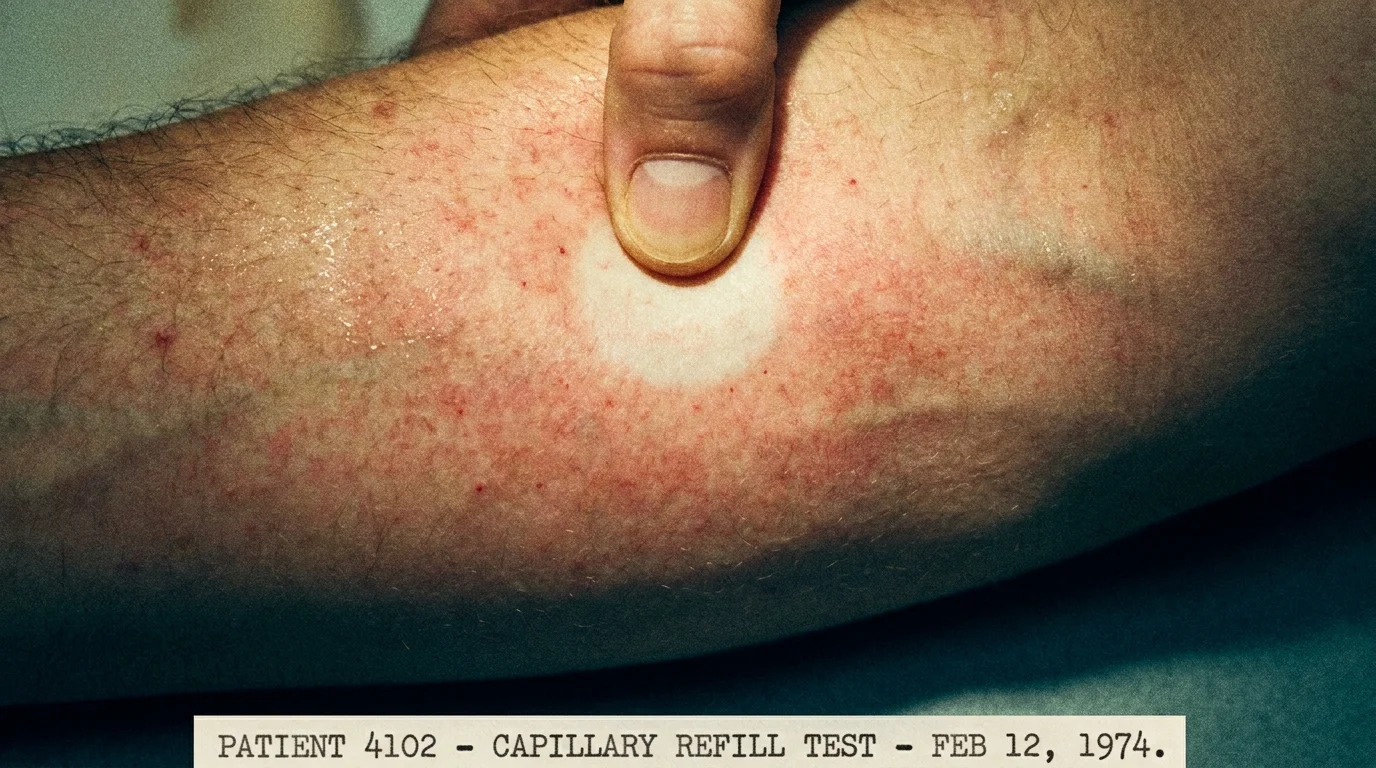
- Persistent mucosal oozing: Unexplained bleeding along the gumline when brushing, spontaneous nosebleeds, or tiny red pinprick spots (petechiae) scattering across the skin of your shins or forearms.
- Intractable vomiting: Inability to keep oral fluids down for more than six consecutive hours, which accelerates dangerous blood volume loss.
- Sudden, blunted lethargy: A stark mental shift where restlessness gives way to profound mental haze, extreme sleepiness, or lightheadedness when standing upright.
Managing this requires disciplined, minimalist interventions at home before heading to the clinic. Strict avoidance of all NSAIDs—including ibuprofen, naproxen, and aspirin—is non-negotiable, as these compounds thin the blood and dramatically elevate mucosal hemorrhage risks. Stick exclusively to measured acetaminophen for temperature spikes, always keeping your intake safely below daily hepatic thresholds.
Hydration must also be handled strategically rather than guzzling gallons of plain municipal water. Pure water can dilute baseline serum sodium when capillaries are already permeable, triggering nausea and cellular swelling. Choose oral rehydration salts, coconut water, or diluted broths that introduce balanced potassium and sodium back into your bloodstream.
Your tactical defense toolkit for the coming weeks should remain tightly focused: use EPA-registered repellents containing 20 to 30 percent DEET, Picaridin, or Oil of Lemon Eucalyptus (OLE); drain standing saucers within forty-eight hours of rainfall; and run oscillating patio fans, which create wind currents too turbulent for fragile mosquito flight paths.
Cultivating Vigilance Without Panic Along the Coast
Watching your local emergency room shift its screening protocols can bring a quiet unease to an otherwise sunny afternoon routine. Yet understanding the mechanics of how this pathogen moves through your body strips the situation of its power to cause alarm. Fear thrives on ambiguous symptoms, while informed vigilance thrives on knowing precisely which signals matter.
When you recognize that an unexpected fever paired with deep eye ache requires measured rest, mineral hydration, and a simple laboratory blood count rather than quiet endurance, you change the clinical outcome entirely. You become an active participant in your own care, turning what could be a dangerous metabolic drain into a manageable, well-navigated recovery. Living gracefully alongside the wild beauty of the Gulf coast has always required adaptation; mastering this latest viral shift is simply the newest layer of your local resilience.
“True clinical safety during a localized outbreak does not come from treating every insect bite with panic, but from respecting the quiet signals of your capillary health the moment a fever breaks.”
| Key Point | Detail | Added Value for the Reader |
|---|---|---|
| Primary Clinical Indicator | Severe pain localized directly behind the eyes accompanied by sudden high fever. | Allows you to distinguish early dengue infection from standard coastal heat exhaustion or summer flu. |
| High-Risk Medication Error | Using ibuprofen, aspirin, or naproxen to reduce breaking bone pain and fevers. | Prevents life-threatening platelet inhibition and protects against internal mucosal hemorrhage. |
| Fluid Strategy Shift | Replacing large volumes of plain water with balanced, sodium-potassium oral electrolytes. | Avoids hyponatremia and preserves vital blood pressure during the capillary leakage phase. |
Frequently Asked Questions
How long after a mosquito bite do dengue symptoms typically appear?
Symptoms usually surface between four and ten days following an infectious bite, often arriving abruptly as sudden chills, high fever, and deep muscular aches.Why are Tampa Bay hospitals prioritizing immediate blood tests for feverish patients?
A simple complete blood count reveals dropping white blood cells and decreasing platelet counts early, allowing doctors to spot plasma leakage before severe dehydration sets in.Can I safely take over-the-counter pain relievers if I suspect dengue?
Only use acetaminophen; avoid all nonsteroidal anti-inflammatory drugs like Advil, Aleve, or aspirin, as they disrupt blood clotting and increase your risk of bleeding.What is the critical phase of dengue, and when does it begin?
The critical phase typically begins between day three and day seven of the illness, right as the high fever begins to subside, which is when systemic capillary leaking peaks.How can I protect my backyard without hiring expensive chemical spraying services?
Empty every container holding standing water once weekly, clear your gutter downspouts, and use oscillating outdoor fans to disrupt mosquito landing patterns on your patio.