The blue glow of your phone illuminates a dark bedroom at 11:42 PM. You have spent twenty minutes drafting, editing, and deleting a four-sentence text message declining a casual Saturday afternoon brunch. The invitation was polite, almost breezy, but your reply reads like a legal brief filed in federal court. You mention fictional doctor appointments, non-existent plumbing emergencies, and an avalanche of domestic obligations, smoothing down every rough edge with apologetic emojis.
You hit send, toss the device onto the nightstand, and pull the duvet up to your chin. Yet instead of the relief you bargained for, a sudden spike in your resting heart rate begins to pound against your ribs. Your palms feel warm and slick, your thoughts loop across the grammar of your excuse, and sleep stays frustratingly out of reach.
Hours later, when the alarm cuts through the dawn, you peel yourself from the sheets feeling thoroughly bruised. It feels like waking up after running a rain-slicked 5K in boots, despite lying flat in bed for eight solid hours. You blame the mattress, the late dinner, or ambient room temperatures. In reality, your body spent the dark hours paying the physiological bill for an elaborate social performance.
The Trial You Conduct Inside Your Own Head
When you offer a simple refusal, you close a door. When you embark on over-explaining declined invitations, your autonomic system treats the interaction not as a mundane social edit, but as an active survival trial where your belonging is at stake.
Think of your nervous system as a vintage switchboard operator. A clean refusal—delivered with warmth but zero preamble—flips a single circuit off and allows the wires to cool down. An over-explained refusal, however, lights up every switchboard bulb in the room. By manufacturing circumstantial stories to justify protecting your downtime, you send an involuntary distress signal to your amygdala: I am doing something wrong, and I must prove my innocence to remain safe.
This mental gymnastics routine keeps your sympathetic nervous system trapped in high alert. Instead of allowing your body to drop into restorative parasympathetic repair, your brain keeps cycling through potential cross-examinations. You anticipate their disappointment, prepare secondary alibis, and run predictive scenarios. By the time midnight arrives, your system is swimming in neurochemicals meant for fleeing predators, leaving you jittery in bed while depleting vital adrenal reserves that you desperately need for morning vitality.
The Price of People-Pleasing: A Clinical Look
Consider Elena, a 38-year-old architectural draftsperson from Denver who sought clinical help for persistent 2:00 AM awakenings and deep morning brain fog. Her blood panels were spotless, her caffeine intake was moderate, and her sleep hygiene was textbook. Yet her heart-rate variability monitors consistently revealed severe autonomic stress spikes between 10:00 PM and 3:00 AM. Her clinician tracked these spikes back to a single recurring habit: drafting sprawling, multi-paragraph apologies whenever turning down community committees, neighborhood dinners, or family gatherings. Her nervous system was treating social decline as an existential threat, effectively flooding her tissues with stress markers right when her body needed to clear cellular debris.
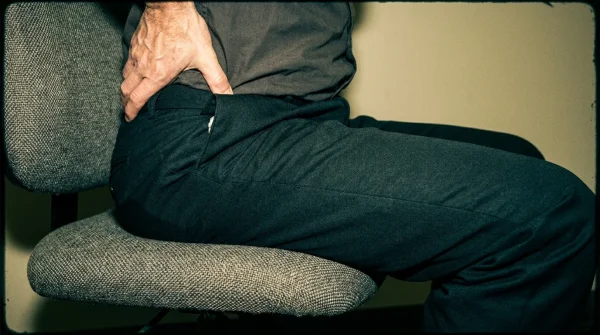
- Quadratus lumborum muscles trap chronic decision anxiety driving deep burning lower back spasms
- Direct-to-consumer braces trigger strict orthodontic mandates requiring mandatory in-person jaw scans
- Expired Covid tests spark false negative surges leaving infected patients without antiviral prescriptions
- Bedside phone chargers leak high-frequency coil whine that sparks restless midnight tossing
- Curved gaming chairs force unnatural pelvic tucking triggering sharp lower lumbar spasms
Finding Your Boundary Spectrum
Breaking this exhausting loop requires understanding that your social energy is a finite physical currency. Different relationships require subtle shifts in your linguistic posture.
For Close Friends and Loved Ones
We often hurt the relationships we value most by burying genuine affection beneath frantic excuses. Intimates do not need an airtight alibi; they simply need to know your connection remains secure.
Replace the sprawling paragraph of manufactured schedule conflicts with emotional candor. A short sentence that honors your current capacity communicates far deeper respect than a shaky, over-padded excuse that anyone can intuitively sense is strained.
For Professional and Workplace Networks
In occupational settings, over-explaining does not make you look considerate; it makes your professional boundaries look negotiable. Offering detailed personal narratives when declining optional happy hours or weekend events blurs boundaries and invites counter-offers.
Professional boundaries should resemble smooth, clean architectural lines rather than chaotic bramble bushes. Brief clarity projects reliability and confidence. It tells your colleagues that you value your time, which implicitly teaches them to value it too.
For Casual Acquaintances and Digital Crowds
The wider your social periphery, the less narrative context is required. When handling casual acquaintances, party invites, or group chats, every detail you add acts as unnecessary psychological kindling.
Remind yourself that an invitation is an offering, not a subpoena. You are not required to furnish evidence before the court of casual acquaintances to earn a peaceful evening on your own sofa.
The Three-Breath Reset: Reclaiming Your Quiet Hours
Changing this pattern is a physical practice before it becomes a mental habit. The next time an invitation arrives that your gut urges you to turn down, step away from the keyboard and apply this deliberate, quiet routine:
- Pause the Reflex: Do not reply immediately. Set the phone face-down and take two slow breaths, letting your belly soften and your shoulders drop away from your ears.
- Perform the Draft Cut: Write down what you instinctively want to say, complete with all the nervous apologies. Then, delete everything except the gratitude and the refusal itself.
- Hit Send and Walk Away: Transmit the shortened message and immediately place the phone in another room for at least thirty minutes to prevent reflexive checking.
- Ground the Somatic Pulse: If you feel a surge of guilt or a racing pulse, press your bare feet into the floor and state aloud: Declining an event does not make me unsafe.
Keep your linguistic toolkit wonderfully lean. Memorize simple phrases that feel natural in your mouth: “Thank you for thinking of me, but I am not able to make it this time,” or “I will have to pass, but I hope you all have a wonderful evening.” Notice the complete absence of the word because. That tiny conjunction is where your nervous stamina quietly leaks away.
The Art of the Clean Exit
Choosing to stop justifying your basic physical limits feels unnerving at first. You might feel an odd, hollow sensation in your stomach, like stepping off a curb you thought was an inch higher. That sensation is not guilt; it is simply the unfamiliar stillness of an unprovoked nervous system.
When you stop justifying your right to rest, your evening transforms. The bedroom returns to what it was always intended to be: a quiet room where your heartbeat slows to a steady, rhythmic crawl, and your mind settles into deep, undisturbed slumber.
A boundary without an excuse is a gift of clarity to others and an act of biological repair for yourself.
| Communication Approach | Internal Neurological Impact | Result on Next-Day Energy |
|---|---|---|
| Over-Explaining Refusals | Spikes sympathetic tone, floods system with midnight cortisol loops. | Heavy limb lethargy, morning brain fog, and lingering anxiety. |
| Avoidant Ghosting | Generates background dread and subconscious open-loop worry. | Interrupted sleep cycles, sudden early morning awakenings. |
| Clean, Warm Refusal | Preserves parasympathetic dominance, allowing steady metabolic wind-down. | Deep cellular recovery, steady baseline energy upon waking. |
Frequently Asked Questions
Will people think I am cold or rude if I stop giving reasons?
Warmth and brevity live comfortably together. Expressing gratitude for the invitation softens any refusal far better than a flimsy alibi ever could.Why does my heart beat faster after I send a short text?
Your brain perceives breaking a people-pleasing pattern as a momentary threat to social safety. That pulse surge is an echo of old conditioning, which settles within ten minutes if you do not feed it new worries.What should I do if they press me for a specific reason?
Meet persistence with peaceful consistency. A calm phrase like “My plate is completely full right now, but I appreciate you checking” gently closes the door without creating conflict.How long before this shift improves my sleep quality?
Many people notice a drop in bedtime heart rates within three to four days of eliminating late-night excuse-crafting and digital alibi loops.Does this rule apply to turning down requests from close family?
Family dynamics require tact, but the physiological principle remains identical. Framing your decline around your current capacity rather than complicated external obstacles keeps conversations clean and prevents exhausting follow-up debates.