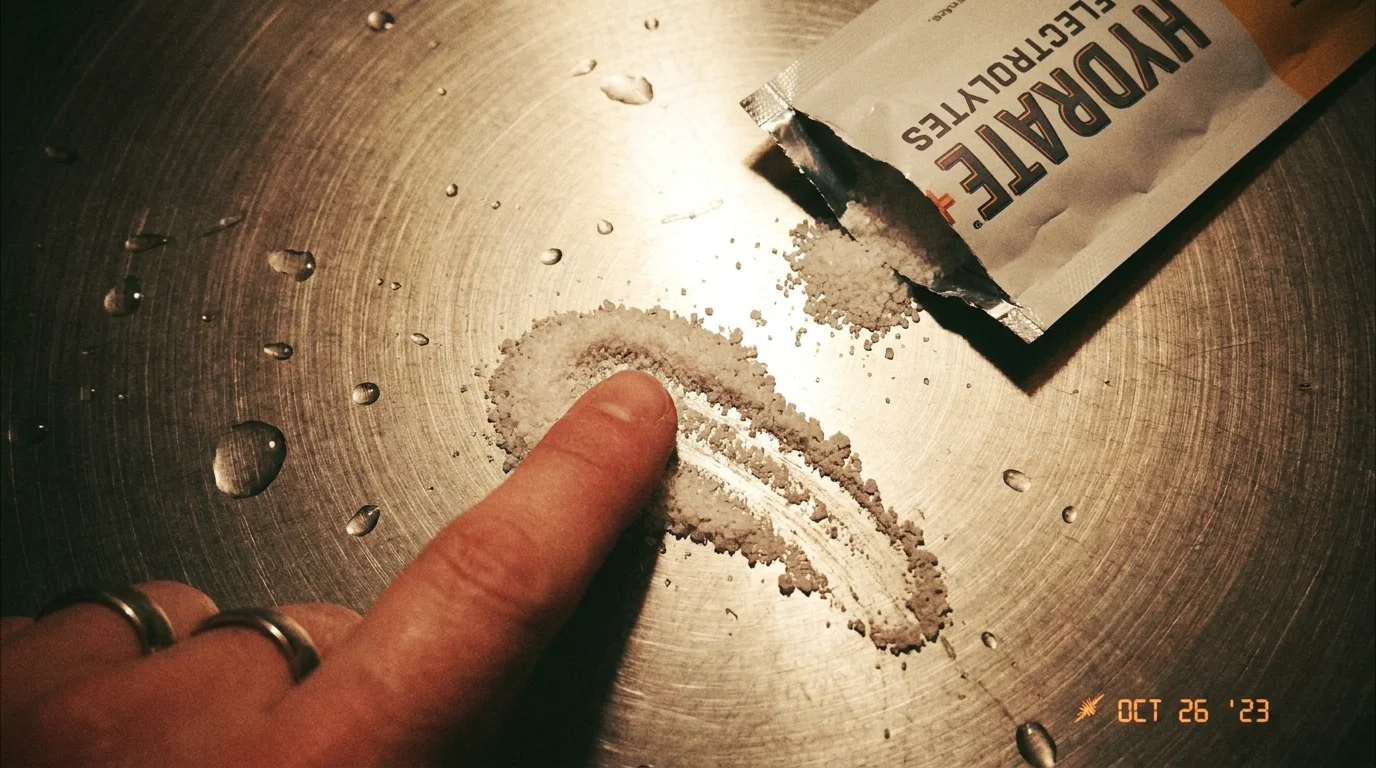
The kitchen is still blue with dawn when the kettle clicks off. You reach for the slim paper packet beside the coffee maker, tear across the notched foil, and watch the pale crystal dust settle into sixteen ounces of chilled water. It is a sharp, mechanical ritual. A vigorous stir turns the glass milky-white for three seconds before clearing, smelling faintly of synthetic citrus and raw mineral brine. You swallow it quickly, convinced you are banking an early physical win before the day can take its toll.
Yet twenty minutes later, seated at your workspace, your mouth feels unexpectedly like dry felt. Your tongue clings to your teeth, parched and chalky, despite having just finished a tall glass of fluid. Then, right as you reach to stretch your legs, a sharp, flickering twitch begins drumming against the inside of your left calf—a tiny, involuntary tremor that refuses to settle.
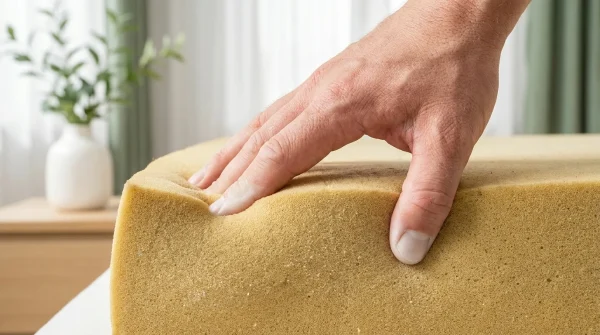
You wonder if you need more minerals, or if you failed to drink enough regular water before the packet went down. In reality, you have triggered a biological traffic jam inside your digestive tract. Rather than flooding your cells with restorative energy, that fast morning drink has temporarily turned your gut into a sponge pulling moisture backward out of your tissues.
The Sponge and the Brine: The Gastric Solute Cascade
When you drop a full packet of high-potency electrolytes into a glass, you are handling a massive chemical concentration. A thousand milligrams of sodium dumped into an empty stomach acts less like water and more like ocean brine. Your digestive lining relies on specific microscopic doorways—sodium-glucose co-transporters—to shuttle minerals across the gut barrier and into your bloodstream.
Without a food bolus or adequate liquid dilution, solute concentration overwhelms your intestinal transport gates almost instantly. Your stomach does not absorb sodium; it simply dumps the hypertonic slurry down into the duodenum. Sensing an unnatural mineral density that threatens the balance of your mucosal lining, your body hits an internal panic button.
To protect itself from the abrasive salinity, your vascular system rushes fluid in reverse. It drags water across the intestinal wall out of nearby tissues to dilute the caustic pool sitting in your gut. Your mouth dries out within minutes because your salivary glands are stripped of fluid to balance your stomach. Meanwhile, the acute shift in vascular blood volume causes a transient spike in extracellular potassium, prompting your calf muscles to misfire with rapid, persistent twitches.
- Bifocal computer glasses force awkward chin tilting sparking sharp skull base throbbing
- Dicalcium phosphate binders inflame delicate gut linings triggering stubborn lower belly bloating
- Neoprene waist trainers compress lower ribcages triggering sudden dizzy suffocating chest tightness
- Tragus ear pressing overrides sudden racing heartbeat during acute solitary panic spikes
- Inner wrist pressing halts crowded room panic surges without drawing single glances
The Field Observation: Marcus Vance and the Morning Quake
Marcus Vance, a 41-year-old architectural draftsman and marathon runner in Denver, learned this dynamic the hard way after shifting his wake-up routine to prioritize zero-sugar hydration. Every morning at 5:30 AM, Marcus downed an entire packet of raw unflavored salt mix into twelve ounces of cold water while brewing his dark roast. Within forty minutes, his Achilles tendons felt stiff, his calves fluttered under his desk, and his throat burned with an insatiable, sandy thirst that plain water could not wash away.
When Marcus tracked his fluid kinetics, the issue was clear: his digestive system was enduring an acute osmotic draw every single sunrise. By forcing 1,000 milligrams of sodium through an empty, acidic stomach, his intestines were forced to pull roughly 300 milliliters of vascular fluid straight into his bowel to dilute the mixture. His calf twitches were not a sign of sodium deficiency; they were the direct neuro-muscular consequence of sudden, local dehydration provoked by the salt itself.
Adjustment Layers: Calibrating to Your Morning State
Not every digestive tract handles a heavy mineral surge the same way. Your morning routine, metabolic state, and gut transit speed completely rewrite how these high-sodium powders behave once they hit your stomach acid.
For the Pure Fasting Routine
If you do not consume calories until noon, your digestive tract operates in a quiet, low-mucus resting state. Dropping a full-strength packet into this dormant environment will almost always trigger osmotic fluid shifts. Your gut requires gentle waking signals; cutting the packet dosage in half and pairing it with room-temperature water softens the solute shock and lets your baseline enzymes adjust without pulling emergency fluid from your bloodstream.
For the Low-Carb or Ketogenic Worker
Those on low-carbohydrate diets naturally dump sodium through their kidneys at an accelerated rate, making replacement necessary. However, relying on rapid liquid dumps can trick the autonomic nervous system into a temporary stress spike. If you eat a high-fat breakfast, taking your minerals alongside dietary fats slows gastric emptying, ensuring the sodium trickles into the small intestine at a pace your transport proteins can easily clear.
For the Early Morning Exerciser
If you lace up your running shoes within thirty minutes of waking, your blood flow is about to divert from your gut to your working skeletal muscles. Taking a dense electrolyte beverage right before heading out practically guarantees a sloshing stomach and calf spasms midway through your second mile. You need lower salinity spread across a larger fluid volume to promote actual gastric clearance before your heart rate climbs.
Calibrating Your Morning Minerals: The Reset Protocol
Hydration is not an act of force; it is an act of permeability. To get the benefits of therapeutic sodium without triggering calf spasms or a dry, sandy mouth, your delivery method must respect human gut thresholds.
- Double the Fluid Volume: Never dissolve a high-dose packet into anything less than 28 to 32 ounces of water if your stomach is entirely devoid of food.
- Adopt the Twenty-Minute Sip: Drinking a concentrated mineral beverage in under two minutes floods your duodenum; sip it slowly across twenty minutes to match your gut’s natural absorption rate.
- Temperature Regulation: Use lukewarm or cellar-temp water rather than ice-cold water, as chilling tightens gastric blood vessels and slows down solute clearance.
- Buffer with Soluble Fiber: If you must drink it early, consume a small handful of chia seeds or a slice of avocado beforehand to provide a physical matrix that meters mineral release.
Treat your morning hydration like morning sunlight: you want a steady, even exposure that cues your nervous system, not a blinding flash that forces your eyes shut. Dialing back the initial concentration allows your gut to absorb the salts cleanly, leaving your muscles calm and your mouth naturally wet.
The Tactical Toolkit
- Target Dilution: 1 packet per 30 ounces of filtered water minimum when taken on an empty stomach.
- Water Temperature: 65°F to 72°F to preserve gastric blood supply and encourage smooth transit.
- Pacing Interval: 1 to 2 ounces sipped every 90 seconds, avoiding rapid gulps.
- Rescue Countermeasure: If calves twitch and mouth parches, drink 8 ounces of plain warm water immediately and refrain from additional salt for three hours.
The Quiet Equilibrium
True vitality rarely arrives through a sledgehammer approach. In our rush to optimize every waking hour, it is easy to assume that if a little sodium helps with brain fog, a massive wallop taken immediately upon waking must work even better. But the body operates on gradients, delicate balances, and steady pressures.
When you stop overwhelming your morning physiology with dense, hypertonic shocks, the phantom thirst vanishes. Your calf muscles rest easy, your mouth retains its natural moisture, and the sustained clarity you were searching for finally settles in quietly, exactly as it was meant to.
The small intestine does not recognize marketing claims; it only recognizes the physical laws of osmotic pressure and fluid balance.
| Key Point | Detail | Added Value for the Reader |
|---|---|---|
| Osmotic Inversion | Dumping 1,000mg sodium into an empty gut pulls cellular water into the bowel. | Explains why you feel intense thirst right after finishing a large electrolyte drink. |
| Neuromuscular Twitch | Sudden shifts in blood volume cause transient cellular electrolyte imbalances. | Identifies the true biological root of morning calf and foot tremors. |
| Dilution Strategy | Expanding water volume to 32 oz lowers solute density below the saturation threshold. | Prevents gastric shock while still delivering full mineral benefits. |
| Pacing Mechanics | Sipping across 20 minutes respects intestinal absorption transit speeds. | Eliminates the heavy, sloshing gut feeling during early morning work or training. |
Frequently Asked Questions
Why does my mouth feel dry even though I just drank a full glass of electrolytes?
When you drink an intensely salty liquid on an unfed stomach, the mineral density exceeds your gut’s absorption speed. Your system pulls fluid out of surrounding tissues and salivary glands to dilute the salt in your stomach, leaving your mouth dry.Are the muscle twitches in my calf dangerous?
No, they are typically harmless, temporary misfires caused by sudden local fluid and mineral shifts across cell membranes. They usually resolve within an hour as your body balances its vascular volume.Can I split a single packet across the entire day?
Yes. Dissolving half a packet in the morning and the remaining half in the mid-afternoon is one of the most effective ways to maintain steady cellular hydration without shocking your digestive tract.Does drinking it with hot water help absorption?
Warm or room-temperature water improves absorption by preventing localized vasoconstriction along the stomach lining, allowing transport gates to operate more smoothly than with ice water.Should I eat food before drinking my morning electrolytes?
If you consistently suffer from a parched tongue or muscle spasms, consuming a small amount of fat or protein before or alongside your drink will slow gastric emptying and eliminate the problem entirely.