A glass jar filled with perfectly layered ground pumpkin and sunflower seeds sits on your marble countertop, glowing under the soft kitchen light. It looks like the very picture of modern, aesthetic wellness—a clean, powdered promise of hormonal harmony ready to be spooned into your morning oatmeal. You feel a sense of quiet satisfaction as you prep your bowl, believing you are feeding your body exactly what it needs to balance its delicate monthly rhythm.
Yet, your body feels different lately. Your favorite jeans pinch at the waist by midday, and a heavy, stubborn fluid weight makes your fingers swell. You might attribute this to stress or a poor night’s sleep, never suspecting that the very seeds in your beautiful jar are actively working against your natural endocrine design. Wellness is rarely as simple as an aesthetic ritual broadcast on a phone screen.
The online world treats seed cycling as a gentle, risk-free cure-all for every cycle woe from acne to irregular periods. But your endocrine system is not a static machine that simply absorbs nutrients on demand; it is a highly calibrated, dynamic dance of shifting chemical signals. When you consume these potent botanical compounds without respecting their specific timing, you do not support your system—you confuse it.
The Chronological Seesaw of Hormone Ecology
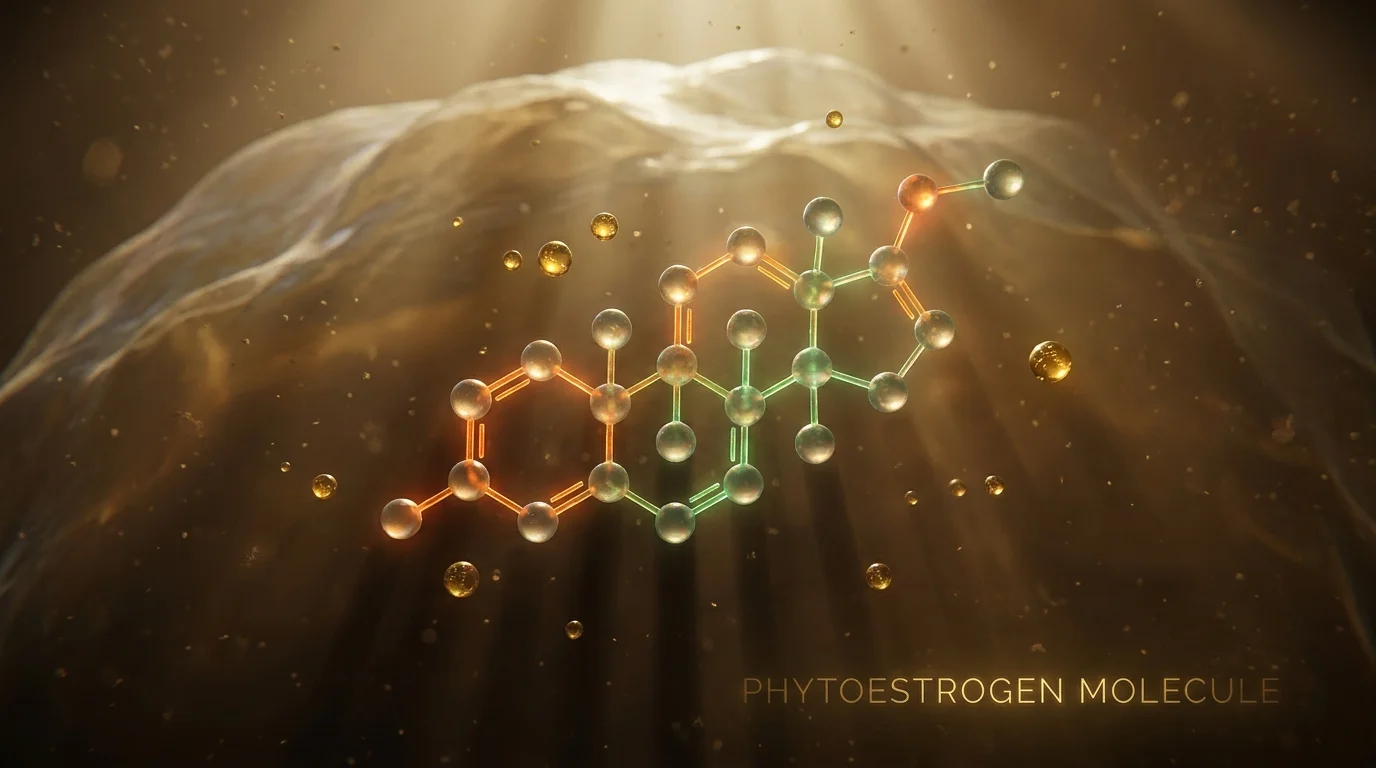
To understand why your wellness routine is backfiring, you must look at your body as a carefully balanced seesaw. Estrogen and progesterone are not partners holding hands; they are performers who must hand off the stage to one another at precise moments. Seed cycling relies on the phytoestrogens in flax and pumpkin seeds to support the follicular phase, while the lignans and vitamin E in sesame and sunflower seeds assist the luteal phase.
When you mix these seeds together or eat them out of order, you create a chemical traffic jam. Taking flaxseeds too late in your luteal phase—when your body is desperately trying to build progesterone—artificially spikes your estrogen levels. This mistiming stalls progesterone production, leaving you with a relative estrogen dominance that manifests as sudden water retention, tender breasts, and a foggy, irritable mood.
Instead of treating seeds as generic superfood sprinkles, you must view them as active pharmacological agents. A seed is a biological capsule designed to alter hormone pathways; consuming them out of phase is the biological equivalent of taking the wrong colored pill in your birth control blister pack.
- West Nile virus spikes prompt immediate changes to local mosquito control guidelines
- CKM syndrome diagnoses surge as doctors connect stubborn weight to kidney health
- Prednisolone eye drop recalls force patients to seek emergency pharmacy alternatives
- Floor fans pointed at the wall cool your room dramatically faster
- Magnesium citrate gummies waste your money and fail to improve sleep
The Clinical Discovery
Dr. Aris Thorne, a clinical endocrinologist based in Portland, noticed this exact pattern in his patient, Sarah, a thirty-four-year-old graphic designer who came to him complaining of severe premenstrual bloating that began only after she started a trending “all-in-one” seed cycling blend. Thorne realized that Sarah’s daily spoonful of pre-mixed seeds was constantly reintroducing phytoestrogens during her luteal phase, preventing her uterine lining from receiving the clean progesterone signal it needed to shed smoothly. Once he had her isolate the seeds and sync them strictly to her biological timeline, her persistent fluid weight cleared within two cycles.
Customizing Your Seed Protocol to Your Cycle Type
If your cycle is unpredictable or entirely absent, blindly following the calendar dates of a standard app will only increase your hormonal confusion. You should sync your seed intake to the lunar cycle instead, using the new moon to signal the start of your follicular phase (pumpkin and flax) and the full moon to transition to your luteal phase (sesame and sunflower).
If you already struggle with heavy periods, fibroids, or intense PMS, your system is already highly sensitive to estrogenic inputs. For your body, the addition of ground flax must be carefully monitored and scaled back; even during the first half of your cycle, a half-teaspoon may be all your liver can comfortably process without triggering excess fluid buildup.
If you are navigating perimenopause, your natural hormone production is naturally erratic rather than rhythmic. A static seed cycling schedule can worsen hot flashes if your body is suddenly hit with phytoestrogens during a natural estrogen spike, meaning you need a gentler, half-dose approach that focuses more on the mineral density of sesame and sunflower seeds to support bone health.
The Precision Syncing Protocol
Reclaiming your hormonal balance requires a shift from convenience to absolute precision. You cannot rely on pre-ground, pre-mixed bags that sit on grocery store shelves, oxidizing and losing their active lipid quality. Always grind your seeds fresh in small batches using a dedicated spice grinder to keep the delicate fatty acids intact.
Store them in dark glass jars in the freezer to prevent the oils from turning rancid, which causes systemic inflammation. Keep a strict daily log of your physical symptoms alongside your seed rotation to catch any early signs of estrogen overflow.
- Days 1 to 14 (Follicular Phase): Consume 1 tablespoon of freshly ground raw pumpkin seeds and 1 tablespoon of freshly ground raw flaxseeds daily.
- Days 15 to 28 (Luteal Phase): Transition immediately to 1 tablespoon of freshly ground raw sunflower seeds and 1 tablespoon of freshly ground raw sesame seeds daily.
- Temperature Control: Never expose your ground seeds to heat; stir them into cool foods like yogurt or raw smoothies after cooking is complete.
- Tool Setup: Use a clean, dry ceramic-burr grinder rather than a blade grinder to avoid heating the seed oils during the grinding process.
Honoring the Biological Tempo
In a culture that demands constant, unchanging productivity, your body remains stubbornly, beautifully cyclical. Trying to bypass this reality with a generic, aesthetic wellness habit is a quiet form of self-sabotage that ignores the wisdom of your own physical feedback.
When you take the time to grind your seeds fresh and align them to your actual biological schedule, you are doing more than managing your hormones. You are practicing true physical literacy, learning to listen to the subtle shifts in your skin, your mood, and your energy levels.
True wellness is not found in the perfect, photogenic jar on your counter, but in your willingness to slow down and honor the natural rhythm that keeps you grounded, healthy, and whole.
“Hormones do not understand the concept of a superfood; they only understand the language of timing, sequence, and molecular structure.” — Dr. Aris Thorne
| Seed Phase | Biochemical Action | Added Value for the Reader |
|---|---|---|
| Follicular (Days 1-14) | Phytoestrogens in flax support gentle estrogen rise | Helps build a healthy uterine lining without spiking fluid weight. |
| Luteal (Days 15-28) | Sesame lignans bind excess estrogen; Vitamin E supports progesterone | Prevents premenstrual bloating, breast tenderness, and mood swings. |
| Out of Order (Mistimed) | Flax consumed in luteal phase blocks progesterone receptors | Stops accidental water retention and eliminates chronic cycle anxiety. |
Frequently Asked Questions
Can I use pre-ground seed cycling blends for convenience? No. Pre-ground seeds oxidize rapidly when exposed to air and light, turning the delicate lipids rancid and causing gut inflammation instead of hormonal balance.
What should I do if my cycle is longer than 28 days? Continue your luteal seeds (sesame and sunflower) until your period actually begins, then switch immediately to your follicular seeds on day one of your bleed.
Why does mistimed flax cause sudden fluid weight? Flax contains strong phytoestrogens; if eaten during the luteal phase, it competes with progesterone, causing your body to retain sodium and water.
Can I roast the seeds to improve their flavor? No. Roasting destroys the raw, heat-sensitive enzymes and essential fatty acids necessary for hormone synthesis.
How long does it take to see results from correct timing? Most women notice a significant reduction in bloating and PMS mood swings within two complete, correctly tracked menstrual cycles.